- The Inventory · This Week's Tool
- Dawson, 18, on Real Courage
Four years ago, Matt and I had never met.
Today he's a friend. He's walked through Vintage. He's led Insider calls. He's stood out at the ranch in South Dakota with me, watching the light go long across the prairie and talking about the things you only get to when the phones are off and there's nowhere you have to be.
None of that was on the table the first time we spoke. Back then he was still Big Green. Twenty years into a career everyone envied, quietly carrying the one thing nobody around him could see. If you'd told either of us where this would go, we'd have laughed.
I open this issue with Matt because I've watched the whole thing. Not a highlight reel. The actual arc. The first call, when he was mostly sure but couldn't quite say it out loud. The skepticism that a single conversation could change anything. The slow turn. And the ordinary Tuesday when it finally clicked and he stopped waiting.
I learned something building this one, and it surprised me. I thought Matt's story was about courage. It isn't, not really. It's about permission. Most of us aren't short on nerve. We're short on someone in our corner saying the words we can't say to ourselves. Matt got that moment on a vacation, from the person who knows him best, and it changed everything. You'll read exactly what she said. I sat with it for a while.
Inside, you'll also find The Inventory, the tool I keep coming back to in my own life right now, the one that separates a real answer from a wish list. And a conversation with my son Dawson that taught me more than I expected to learn from an eighteen-year-old.
I've been carrying one of Matt's lines around all week. You'll know it the moment you hit it.
This one's personal for me.
I've had the privilege of sitting across the table from more than 1,500 people since I left my job in 2022.
People who, from the outside, had everything they'd chased. And on the inside, had arrived at a place where they'd trade all of it. They just didn't know what they'd trade it for.
They called me because I had been there.
These are their stories.
Today, meet Matt.
Not Vacation Mode
Matt found me the way most people do. He read something I wrote, like a post or The Trade. Then he booked a ramble, waited a few days or weeks, and showed up for our call. That's how it works.
It only took me about a minute to know this call was going to be different.
It was a Tuesday. November 1st. I know because I went back and grabbed my notes afterward, the way you do when a call won't leave you alone. Matt's a Jeep guy. There was a big Jeep sign on the wall behind him, and it gave him away before he said much of anything. Turns out he'd been rebuilding one for years, and for years, whenever someone asked when it would be done, he gave the same answer: by the Fourth of July. He never said which year. It was a running joke by then, the Jeep that was always almost ready. Sitting there listening to him laugh about it, I remember thinking he wasn't really talking about the Jeep.
Matt Blaylock had spent twenty years being Big Green. The man who built John Deere's marquee partnerships, the sponsorships, the reputation that opened doors across the industry. From the outside, a dream job. From the inside, a suit that used to fit.
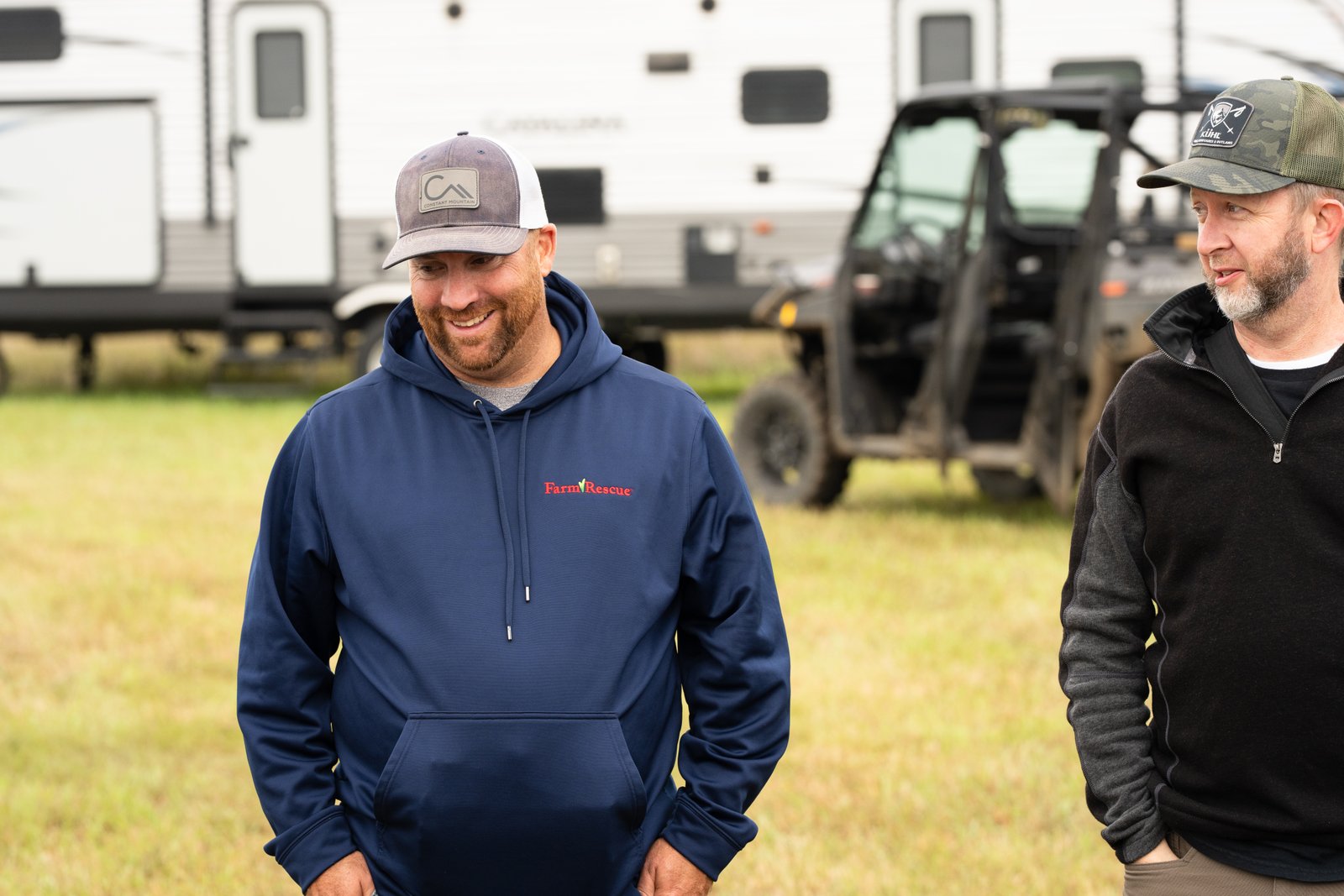
He wasn't in crisis. He wasn't falling apart. He was just quieter than he used to be. Something that had been loud in him had gone still, and he couldn't tell you when it happened. That's the version of this nobody writes about. Not the collapse. The quiet.
Here's the thing about people who've spent two decades being excellent at something. The competence stops being what you do and becomes who you are. You don't just do the work. You are the work. And when the work stops fitting, when the title no longer matches the person wearing it, there's no clean word for it. It isn't failure. Failure would almost be easier. It's more like reaching for the suit that was always yours and realizing, somewhere between the collar and the cuffs, that you've changed shape.
The turn came on a vacation. He was there with his wife, Emily, and he was not, as he put it, in vacation mode. Still running the old software. Still calculating. Still standing between the life he had and the one he kept circling.
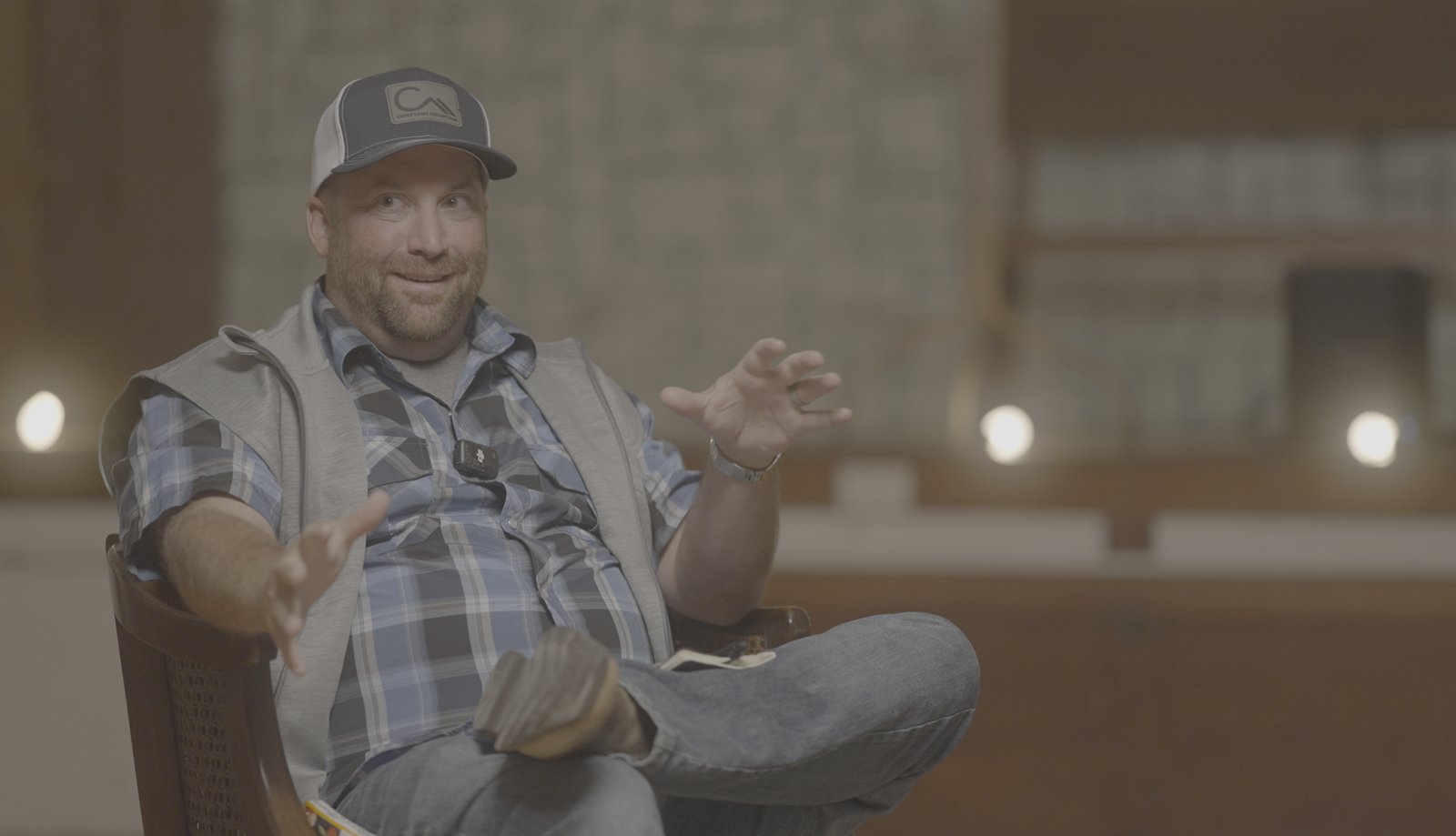
Emily watched him do it. Then she said the thing he'd been unable to say to himself. "You know, if you leave, we're going to be okay."
No ultimatum. No speech. Just his wife, telling him she was already on board. "That was huge," he said. That was the whole sentence. He didn't add to it, and he didn't need to. Before that moment, the decision was theoretical. After it, the rest was logistics. The permission he'd been waiting twenty years for had never been his to give himself.
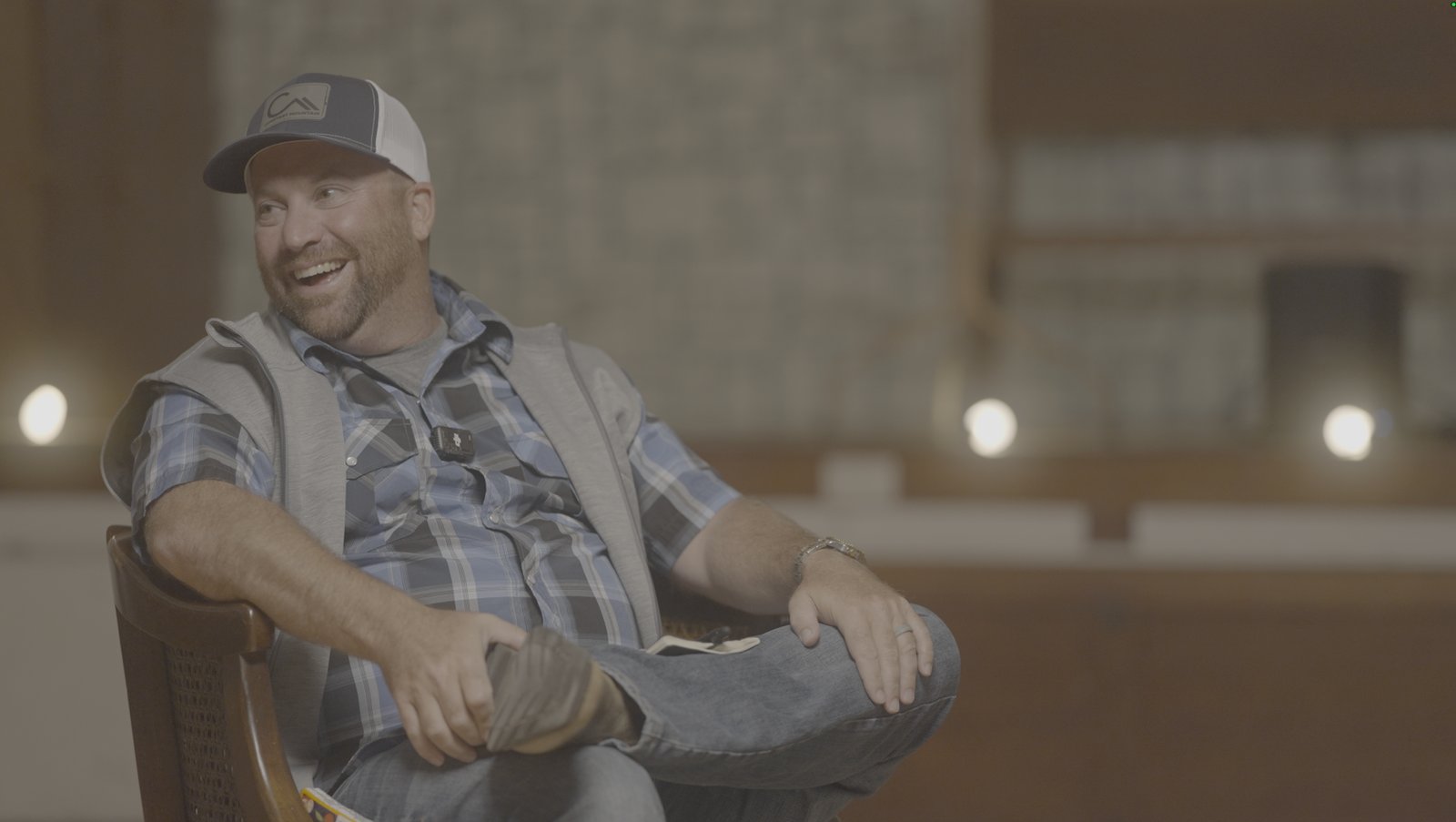
So he stopped waiting. He handed in his resignation after twenty years, and he did it without calling it a failure, because it wasn't one. He hadn't fallen short. He'd outgrown.
He hadn't fallen short. He'd outgrown.
What he bet on wasn't a plan. It was a version of himself he believed was still available. The one who gets to be dad number one for a while. Who stands in the grocery store on a Tuesday without checking his phone out of obligation. Who plays golf with his kids in July because it's July and they're there and that's reason enough. "Making a difference to the people around me," he told me, "and spending my time with people I want to." Simple sentence. Hard-won sentence.
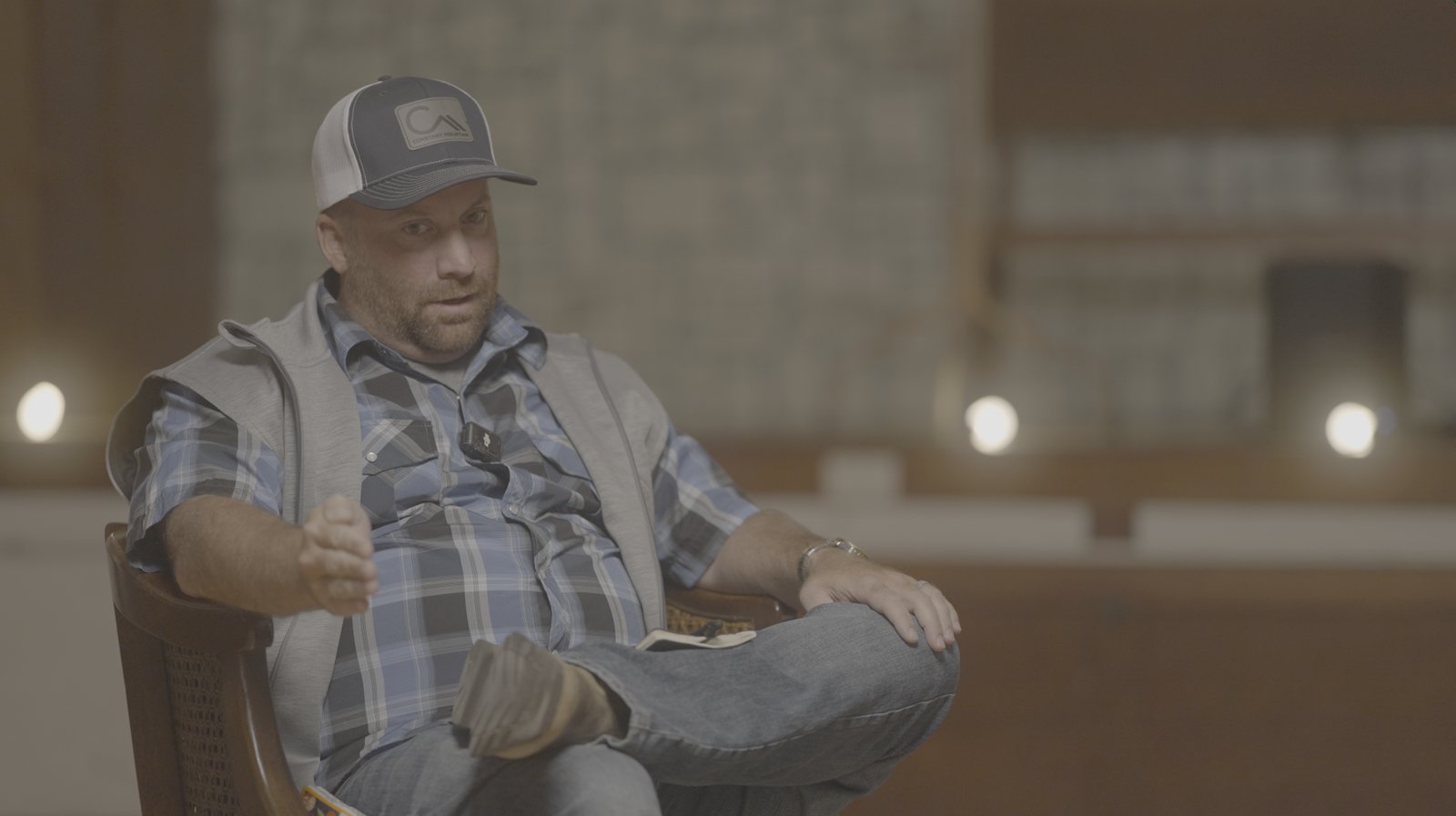
Matt didn't wait for the decision to become obvious, or inevitable, or blessed by everyone around him. He had a wife who saw him clearly, and he let it matter. He let himself be known. Then he moved.
There's a version of your life where the loose ends stay loose, and next year stays next year, and the Jeep is always almost ready. That version is available. Plenty of people are living it right now, telling themselves the timing isn't right.
Matt Blaylock decided to find out what the other one felt like.
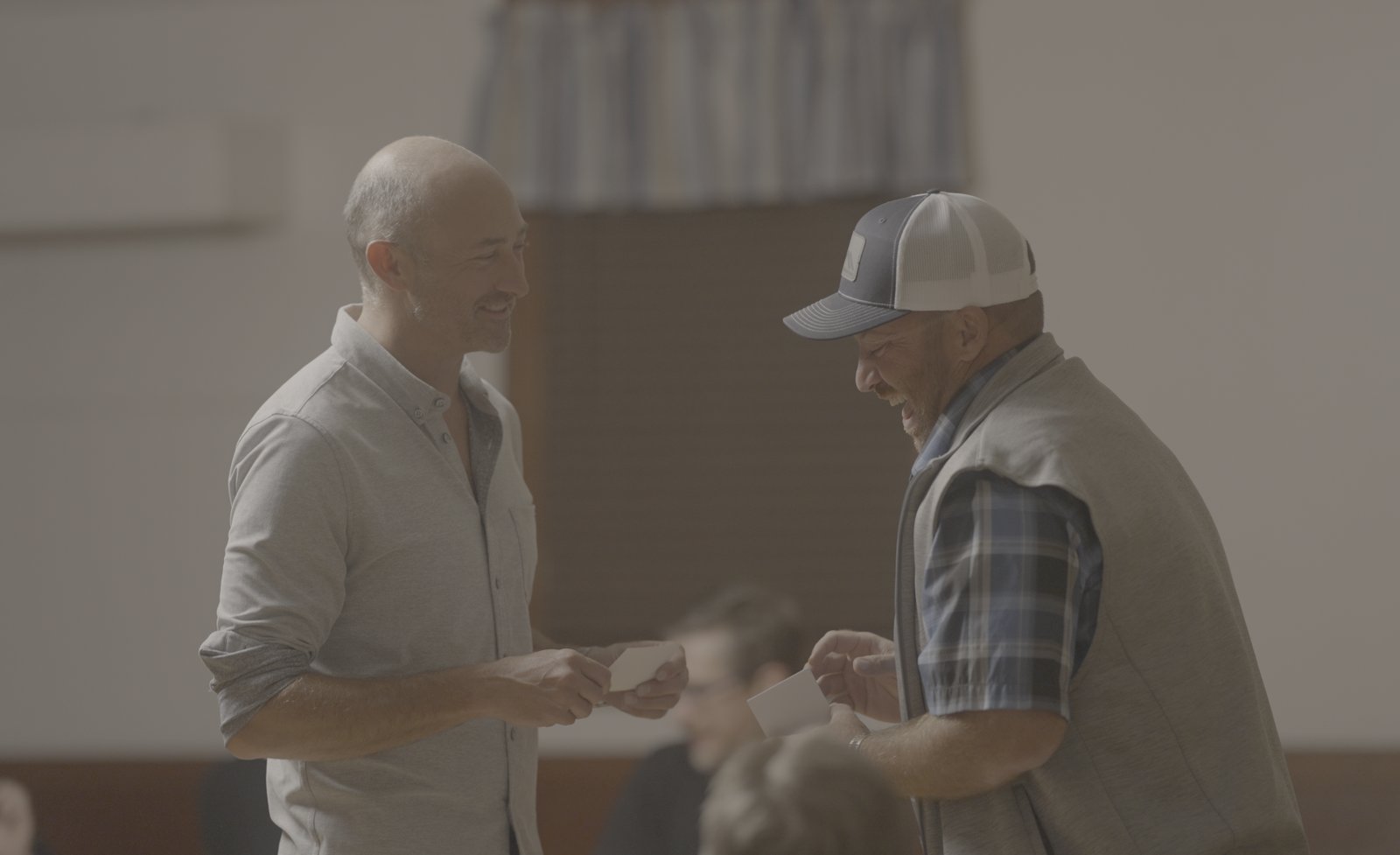
So let me ask you what I asked him. What would you do if you weren't afraid? Not what you should do. Not what looks right on paper. What would you actually do if the fear just wasn't in the room?
You already know. You've known for a while.
That's not a rhetorical question.
"I get to choose what the path is."

What would you do if you weren't afraid?
I'd stop pretending the version of my life I built at 28 still fits the person I am at 52. That's the honest answer. And I know it because I spent about a decade not saying it. I had the career. The income. The title that made people nod when they heard it. And I was slowly suffocating inside it. Not dramatically. Not in a way anyone around me could see. Just this low-grade thing, like wearing a suit that used to fit perfectly and now pulls wrong across the shoulders. Every. Single. Day. The fear wasn't that I'd fail at something new. The fear was that I'd admit, out loud, to real people, that I wasn't sure I wanted what I'd spent 20 years building. That felt like a betrayal. Of my family. Of everyone who respected the version of me they knew. Of my own younger self who worked so hard to get here. So I stayed quiet. I kept performing. I got better at the thing I'd outgrown. Here's what I've learned since: the fear never goes away before you move. It goes away after. You don't get courage first and then act. You act scared, and the courage shows up somewhere in the middle of doing the thing anyway. When I finally said the quiet part out loud, not to a therapist, not in a journal, but to another person who I thought might actually get it, something shifted. Not the circumstances. Just the weight. The thing I'd been carrying alone for years was suddenly just a thing I was carrying. Not shameful. Not a crisis. Not a character flaw. Just the truth. So if you're asking me what I'd do if I weren't afraid, I'd flip it. I'd ask you: what have you already decided, but haven't said out loud yet? Because most people asking me this question already know the answer. They've known it for a while. They're not looking for permission to figure it out. They're looking for permission to stop pretending they haven't. That's the only permission I can give you. You already know.
The Inventory
The question sounds simple. What would you do if you weren't afraid? Most people answer it wrong. They go straight to the fantasy, the vineyard, the board seat, the book they keep not writing. That's not an answer. That's a wish list. And wishes don't tell you anything useful. The Inventory does. The Inventory is not a vision board. It's not a bucket list. It's a raw accounting of your actual life, right now, as it exists. What you spend your time on. What you spend your energy on. What you say yes to because you want to, and what you say yes to because you don't know how to say no. What lights something up in you. What quietly drains it. Most people in your position have never done this. Not honestly. Because honestly means you might see the gap between where your energy goes and where it matters. And once you see that, you can't unsee it. That's the point. The question, what would you do if you weren't afraid, only gets a real answer after you've done the accounting. Before that, you're just guessing. After that, you're looking at evidence. Fear doesn't disappear when you name it. But it stops running the show. You stop making decisions by default and start making them by choice. That's the whole game. You don't need to blow anything up. You don't need to quit, leave, or start over. You need an honest look at what you've built and what it's actually costing you. Start there. Everything else follows.
Set a timer for 20 minutes, open a blank document, and write two columns, what your time and energy actually went to this week, and what you wish it had gone to instead. Don't edit. Don't explain. Just write.
The Day My Son Told Me What Courage Actually Looks Like
I don't do many episodes with family. It feels like showing people your journal before you've finished writing in it. But Dawson was leaving, and I wanted to capture him first.
He's 18. The day we recorded was his last day as a K-12 student. In a week he'd be in Kona, Hawaii, starting eight months in a discipleship program called Fire and Fragrance. New people. New pressures. No script.
I've watched this kid find his faith from the inside out. He hit a hard moment in late 2022, landed on a Russell Wilson quote about trials, and decided right then that lukewarm wasn't going to cut it. He texted a friend he respected. Started showing up. Found a church we weren't even attending. His faith got deeper than mine before I noticed it happening.
So when I asked what he expected from the next eight months, he didn't reach for "grow" or "connect" or the words an 18-year-old uses to sound impressive. He said, "I think listening is going to be the biggest thing I develop." I stopped. I'm 52 and still working on that.
Then he turned it around on me. He brought up the day I quit my job, two years earlier, when he was a sophomore. He remembered thinking it was risky. Then he said something I wasn't ready for: "Happiness matters more than a higher income, Dad. The money adjusts. It's not permanent."
He was talking about me. But he could have been talking to any parent sitting on a decision they're afraid to make. The kid I was raising ended up showing me what it looks like to step toward the thing you can't fully see yet, without flinching. Call it courage. Call it faith. Maybe they're the same thing.
"Happiness matters more than a higher income. The money adjusts. It's not permanent.", Dawson Stroschein, age 18"
Some people don't ask the question out loud. They just go quiet in a way that answers it for them.
I remember a call from about three years ago. Guy named Patrick. Outside Milwaukee. Two kids in middle school, wife who'd put her own career on hold, father who'd worked the same plant job for thirty-one years and never once complained. Patrick was forty-four, a regional VP at a logistics company, and he'd called because he couldn't sleep. Not anxiety. Not crisis. Just this low hum that wouldn't quit. I asked him what he'd do if he weren't afraid. He was quiet for a long time. Then he said, "I'd stop pretending I'm fine with this." That was it. Not a plan. Not a next step. Just the first honest sentence he'd said in years. Matthew's story starts in the same place. Most of them do.
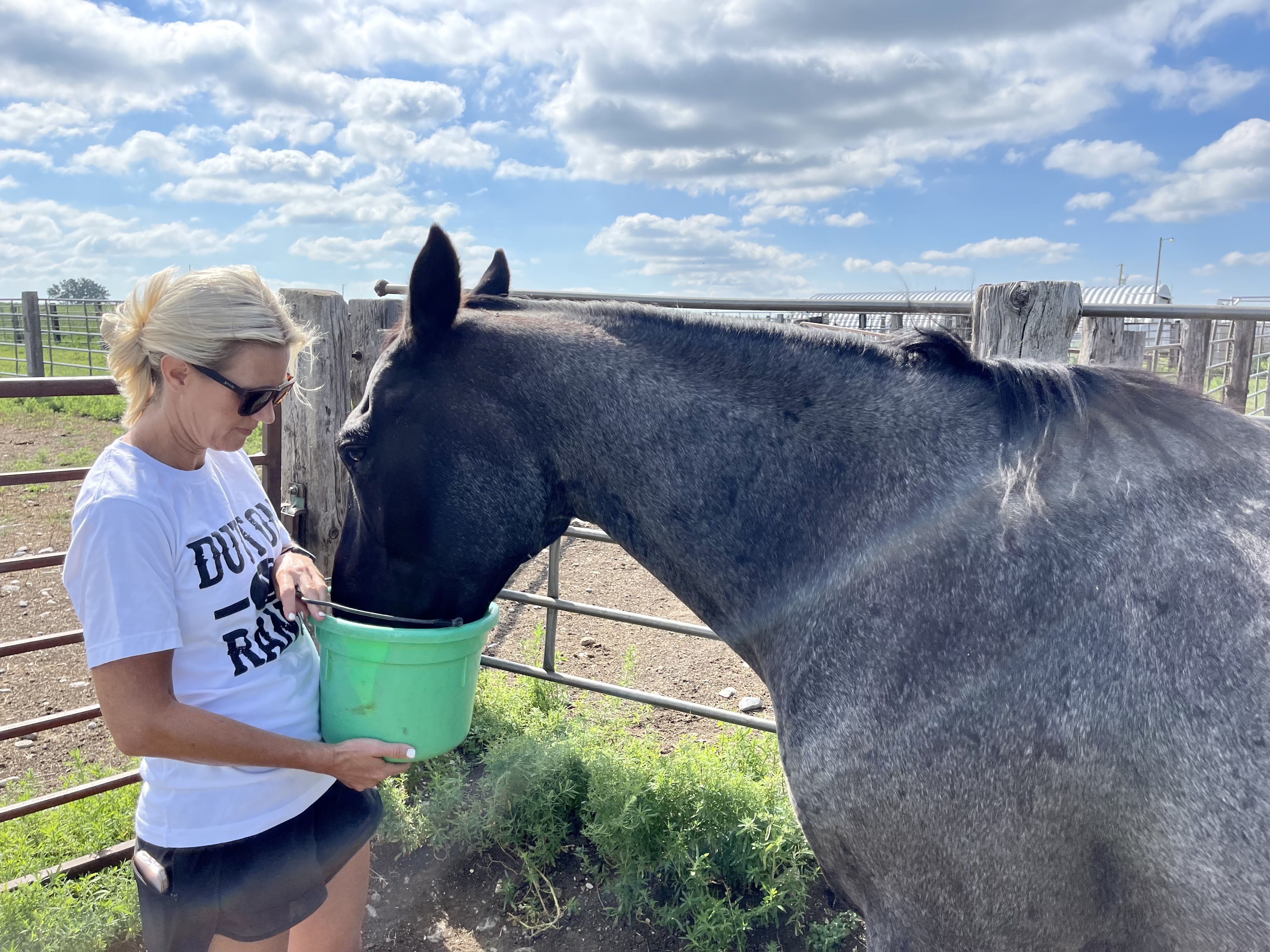
The horses have been restless this week, pacing the fence line at dusk like they're waiting on something I can't see.
I've watched them do this for years. They're not scared. They're not hurt. They just know there's more space on the other side, and the gate is right there. I think about that a lot. Most of the people I talk to aren't stuck because they don't know what they want. They're stuck because wanting it feels irresponsible. Like wanting something different is the same as saying what they built doesn't matter. It's not. The question I keep coming back to, the one that cuts through everything else, is this one: What would you do if you weren't afraid? Not afraid of disappointing people. Not afraid of looking foolish. Not afraid of walking away from something you spent twenty years building. Just you. The honest answer. The one you think about on the drive home and then push back down before you pull into the garage. That answer is the thing we need to start with. Not a plan. Not a pivot. Just the truth about what you actually want.
If you're ready to say it out loud for the first time, grab a call at calendly.com/normal40, that's where The Insider starts.